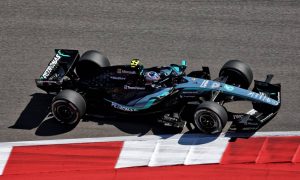


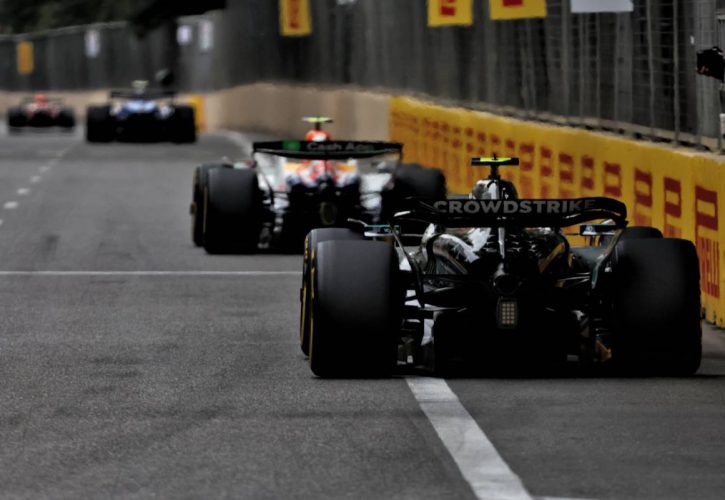


If you’ve ever wondered what it takes to make Mercedes boss Toto Wolff sound like a wide-eyed teenager dreaming of a rocket ship, the answer is apparently Formula 1’s 2026 regulations.
The Austrian has once again dangled a tantalising thought experiment: cars doing 400 km/h. Not as a promise, not as a prediction – but as a theoretical possibility that lives somewhere between physics, power units and a little bit of marketing flair.
The claim first surfaced back in August, when Wolff floated the idea that F1’s 2026 cars, built under radically revised regulations, could brush the kind of speeds usually reserved for YouTube thumbnails and Bonneville Salt Flats documentaries.
With the sport heading toward new power units featuring an almost even split between combustion and electric energy, slimmer aerodynamics and active aero systems, the ingredients are there – at least on paper.
Still, Wolff admits the headline-grabbing number didn’t come from a late-night spreadsheet binge alone.
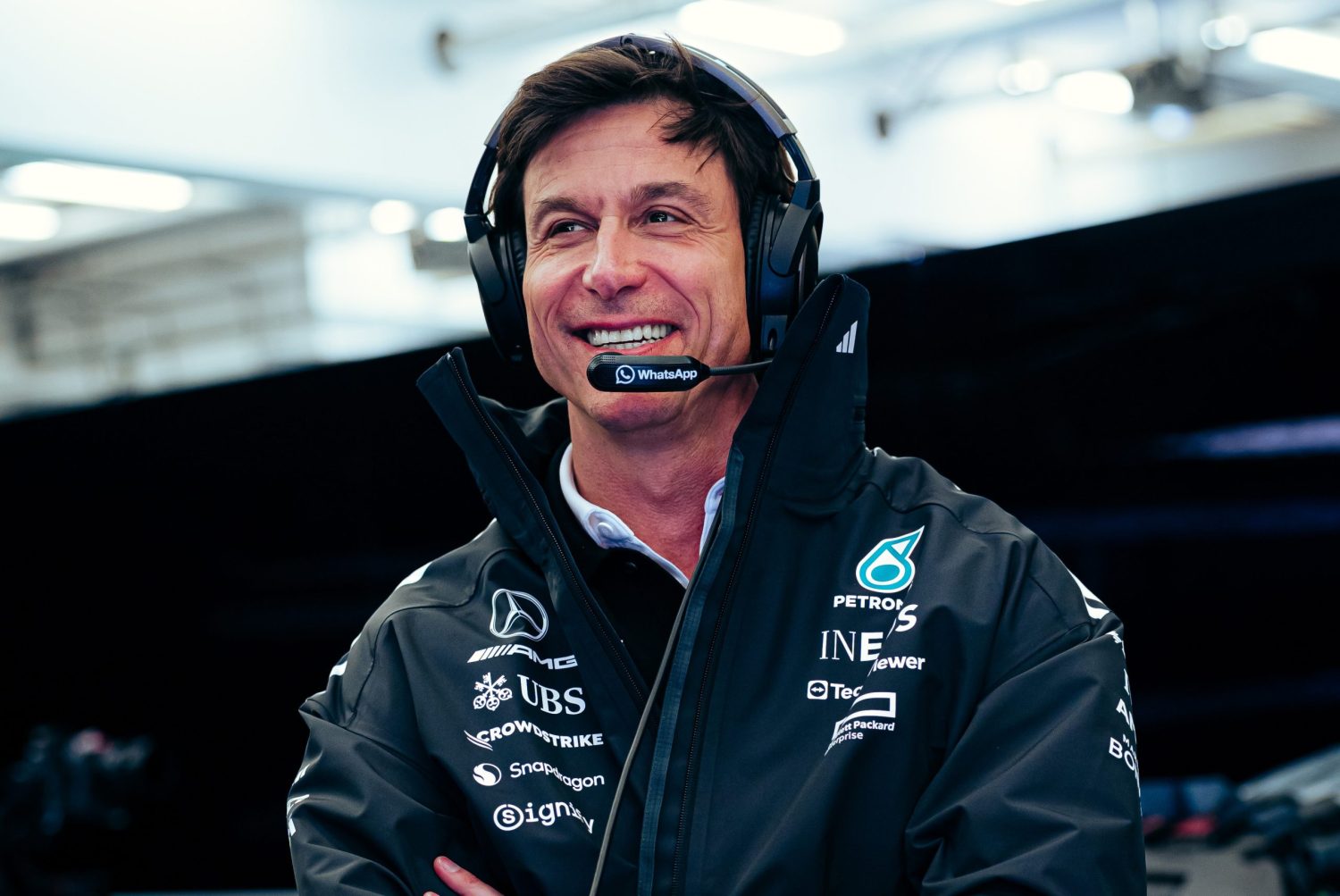
“Well, I felt like we needed to give that engine a little bit of a marketing boost, because people were talking it down and it's such an amazing piece of kit,” the Mercedes chief explained on the Beyond The Grid podcast.
©Mercedes
In other words: don’t panic, engineers – this wasn’t a press release masquerading as science. But Wolff wasn’t joking either.
“If you put it all together, we could do 400km/h or maybe even exceed it, but obviously you're going to run out of energy for the next straight and then not be quick enough.”
Epic Starts, Earlier Lifts
That crucial caveat – the small matter of running out of electrical juice – is where theory meets reality.
Sitting alongside Wolff on the podcast was Mercedes High Performance Powertrains managing director Hywel Thomas, who unpacked what F1’s next-generation engines are likely to deliver when the lights go out.
“I think the start-of-straight performance is going to be very, very similar to today,” Thomas said.
“We've got the turbocharger that hasn't got an electric machine on it anymore, so you could get some turbo lag. We'll be filling in that turbo lag with the electric, potentially.”

©FIA
That blend of old-school combustion and carefully rationed electrical power could make the first few seconds of acceleration particularly eye-catching.
“So, I think in terms of start-straight, the performance is going to be pretty epic in comparison to what we've got today,” added Thomas.
“But we know we're going to start to derate earlier on the straight because we haven't got enough electrical energy to use it all the time.”
Read also:
In short, the 400 km/h figure isn’t a new normal – it’s the ceiling you might touch if everything aligns, the batteries are happy and nobody asks what happens after the braking zone.
For Wolff, that’s the point. The 2026 cars aren’t about sustained insanity; they’re about showcasing what modern F1 power units can do when combustion and electrification are pushed to their limits.
Whether fans ever see “400” flash on the speed trap screens is another matter entirely – but in a sport built on marginal gains, sometimes the idea is almost as powerful as the number itself.
Keep up to date with all the F1 news via X and Facebook