



Formula 1’s next great reset is no longer just about sleeker shapes and smarter aerodynamics – it now has a new language to go with it.
With the first behind-closed-doors test of the 2026 cars looming in Barcelona at the end of next month, the FIA and Formula 1 have pulled back the curtain on both fresh visual renders and a simplified set of terms that will define how fans, teams and drivers talk about the sport’s next-generation machinery.
The aim is clear: make a radically more complex era easier to understand without dumbing it down.
A Sharper Look at F1’s Future
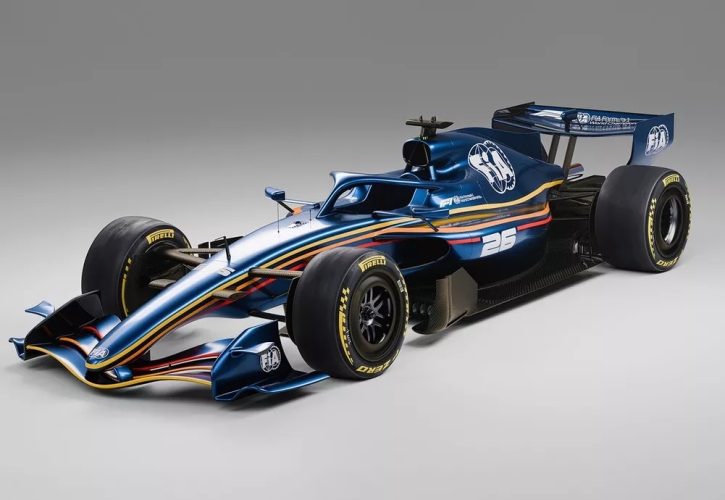
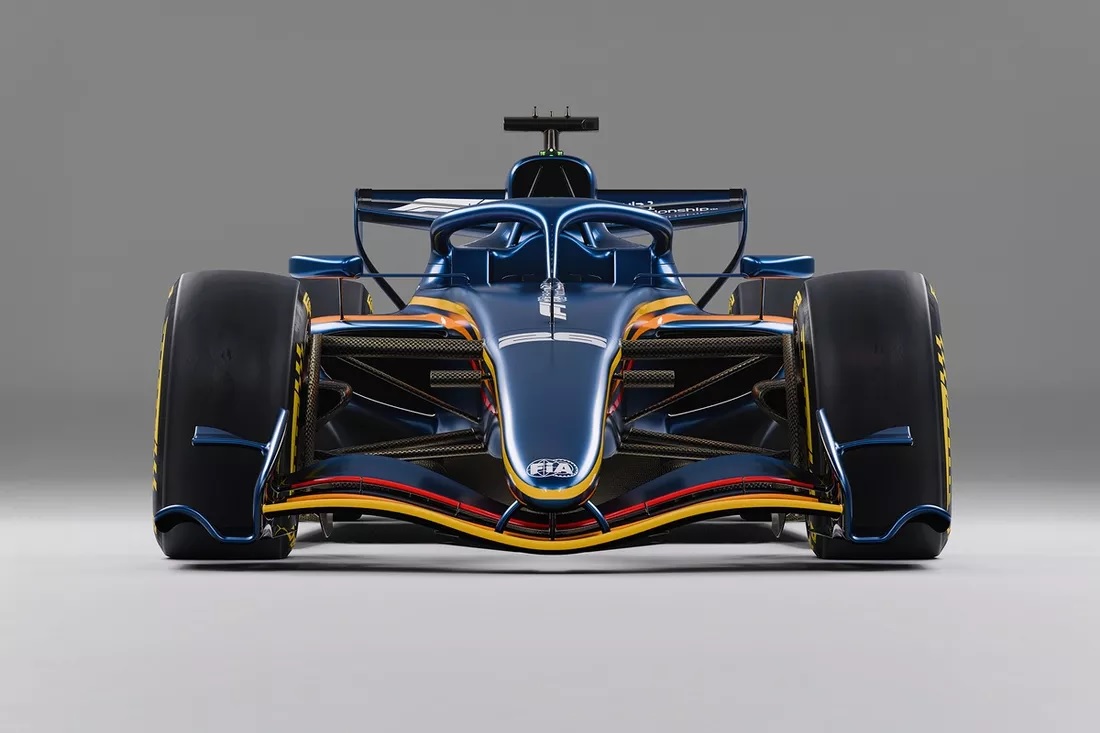
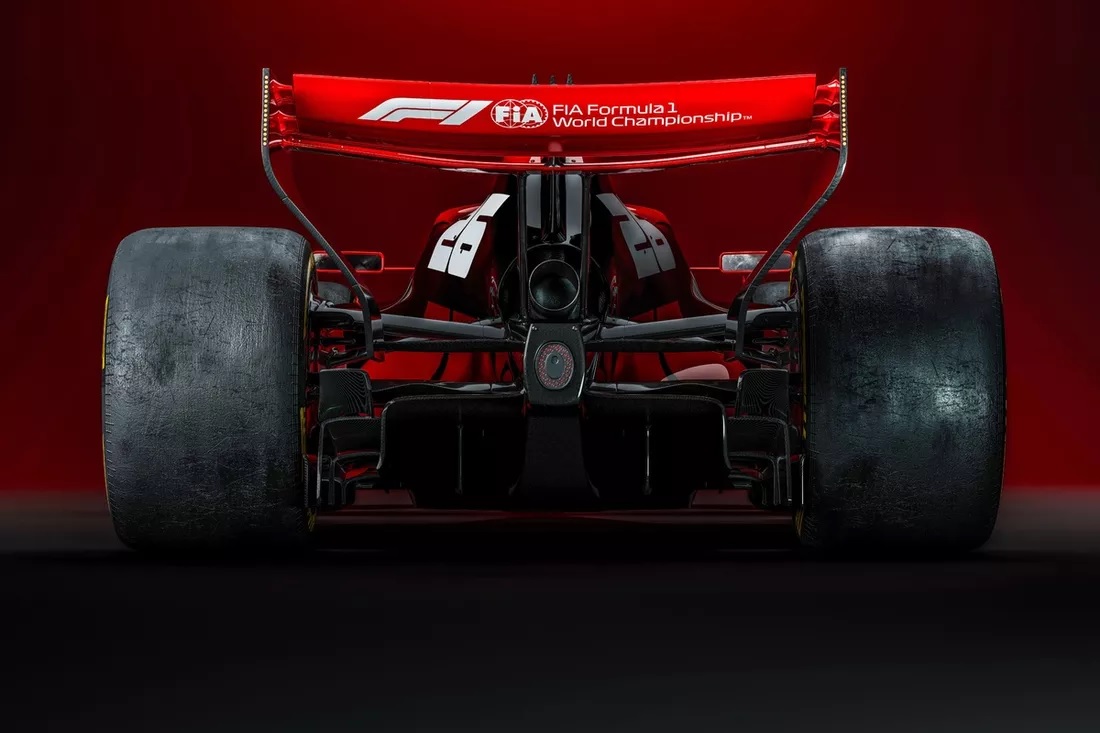
The latest FIA renders, produced from updated technical regulations, give a clearer sense of what F1 cars will become from 2026 onwards.
The cars are smaller, leaner and more active than their predecessors, with a wheelbase shortened by 200mm, a chassis narrowed by 100mm and a minimum weight set at 770kg – a figure many insiders believe will be ambitious, especially in year one.
Active aerodynamics are central to the new philosophy. The cars will dynamically shift between low-drag and high-downforce configurations, a change designed to slash dirty air and encourage closer racing.
©FIA
Overall drag is expected to drop by around 40%, while downforce will be reduced by between 15% and 30% compared to the current generation.
Subtle changes to sidepods and in-wash boards underline that philosophy, while the visuals also reveal updated Pirelli branding on the 2026 tyres. The tyres remain 18 inches – despite earlier discussions about a return to 16 – but will be slightly narrower to help shave off weight. All teams sampled the new rubber during post-season testing in Abu Dhabi.
But while the look of the cars is evolving, so too is the vocabulary used to describe what they do on track.
Overtake, Boost and Recharge: Power with Clarity
One of the FIA’s biggest concerns heading into 2026 was terminology. When the rules were first presented, fans were introduced to concepts like X-mode, Z-mode and Manual Override Mode – the latter quickly abbreviated by the internet into “MOM”.
That experiment is over.
In a bid to keep the sport accessible, the FIA has officially renamed and streamlined the key functions. Manual Override Mode is now simply called Overtake.
Much like DRS, it can only be used when a driver is within one second of the car ahead at a detection point. The difference is fundamental: instead of opening a rear wing, overtaking power now comes from additional electric energy deployment.
Electric power management will be at the heart of racing strategy in 2026, and two further terms define how it works. Boost refers to driver-controlled deployment of electrical energy from the ERS. Drivers can choose where and when to use it — attacking, defending or managing race flow.
The flip side is Recharge, the mode used to replenish the battery. With energy use now a tactical weapon rather than a background process, teams expect racecraft to become more nuanced. Whether that leads to overtakes in unexpected corners remains to be seen, but the potential is there.
Straight Mode and Corner Mode: Aero Without the Alphabet Soup
Active aerodynamics may sound intimidating, but the FIA has opted for plain-speaking names here too. The previously proposed X-mode and Z-mode are gone, replaced by two intuitive settings.
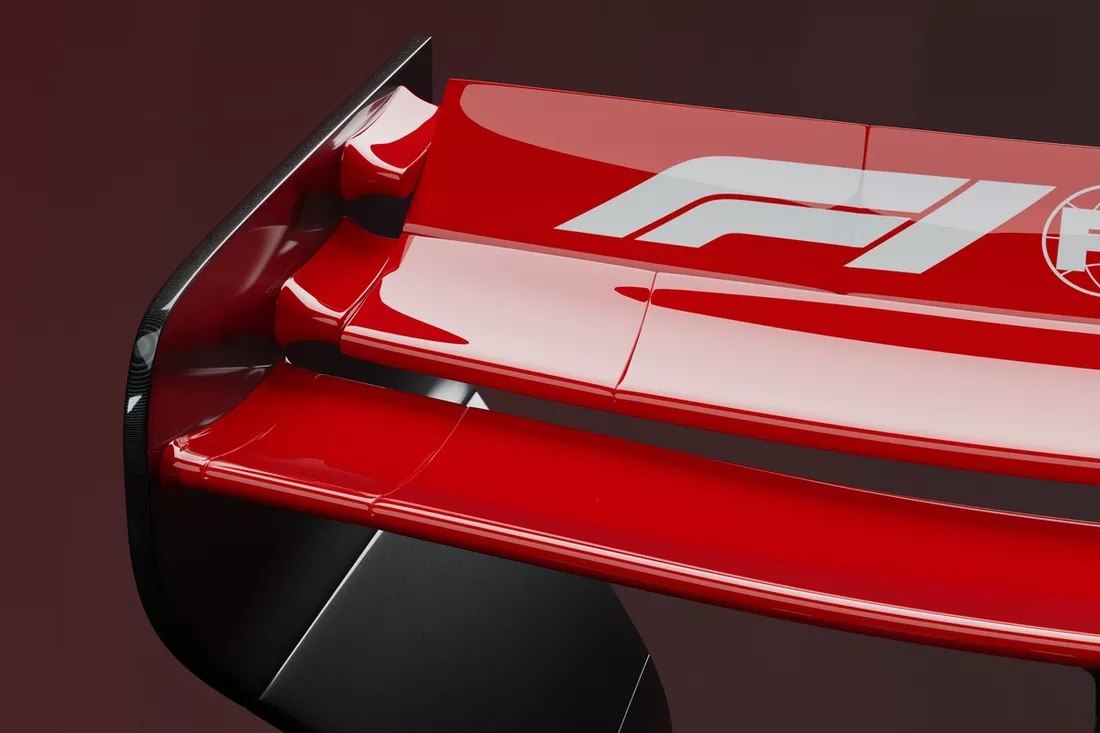
Straight Mode is exactly what it sounds like: the configuration used on straights, where the front and rear wing flaps open to reduce drag and boost top speed. It will be available to all cars at designated points on straights that meet a minimum length requirement.
©FIA
Corner Mode restores the wings to their high-downforce position, prioritising grip and stability through turns.
The thinking is simple – every driver will use both modes, every lap, in predictable places. There was little need for coded terminology when function tells the story just as well.
Tested by Fans, Built for the Future
Crucially, the FIA didn’t make these decisions in isolation. All new terms were tested with dedicated fan focus groups, made up of newcomers, casual viewers and hardcore followers alike. The feedback shaped a naming system that reflects what the cars are doing, not how complex the technology behind them may be.
As Formula 1 edges closer to its most radical transformation in a decade, the message is clear: the cars may be smarter, more active and more electric than ever before — but understanding them shouldn’t require a rulebook.
With new shapes, new systems and now a new language, the countdown to 2026 is officially entering its final phase.
Read also:
‘We tried’: Why the FIA stopped short of fixing F1’s dirty air problem
Keep up to date with all the F1 news via X and Facebook