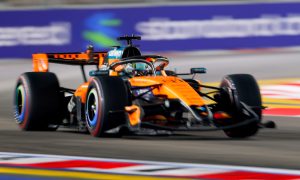


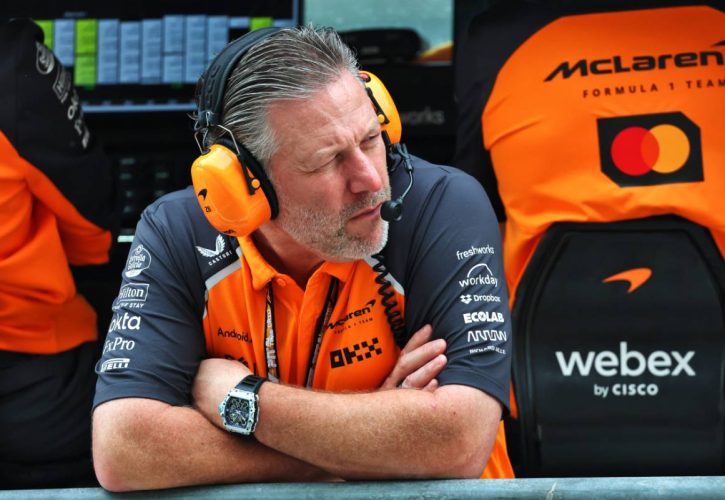


McLaren boss Zak Brown is never one to shy away from shaking the tree – and his latest suggestion does exactly that.
In a sport already defined by razor-thin margins and high-stakes strategies, Brown believes there’s room for something old to feel thrillingly new again: refuelling.
It’s a proposal that will likely divide opinion, poking at nostalgia, safety concerns and the modern identity of Formula 1 all at once. But in Brown’s view, bringing fuel pitstops back could inject the sport with a fresh layer of intrigue.
Until the end of the 2009 season, refuelling was a central part of race strategy. Teams didn’t just juggle tyre compounds and pit windows – they strategized and choreographed fuel loads, stints and outright risk.
That era ended amid safety concerns for drivers and pit crews, ushering in the heavy-fuel starts that define modern F1. But Brown believes the time may be right for a rethink.
“I think if we got back into refuelling, it would be cool,” Brown told talkSPORT last month.
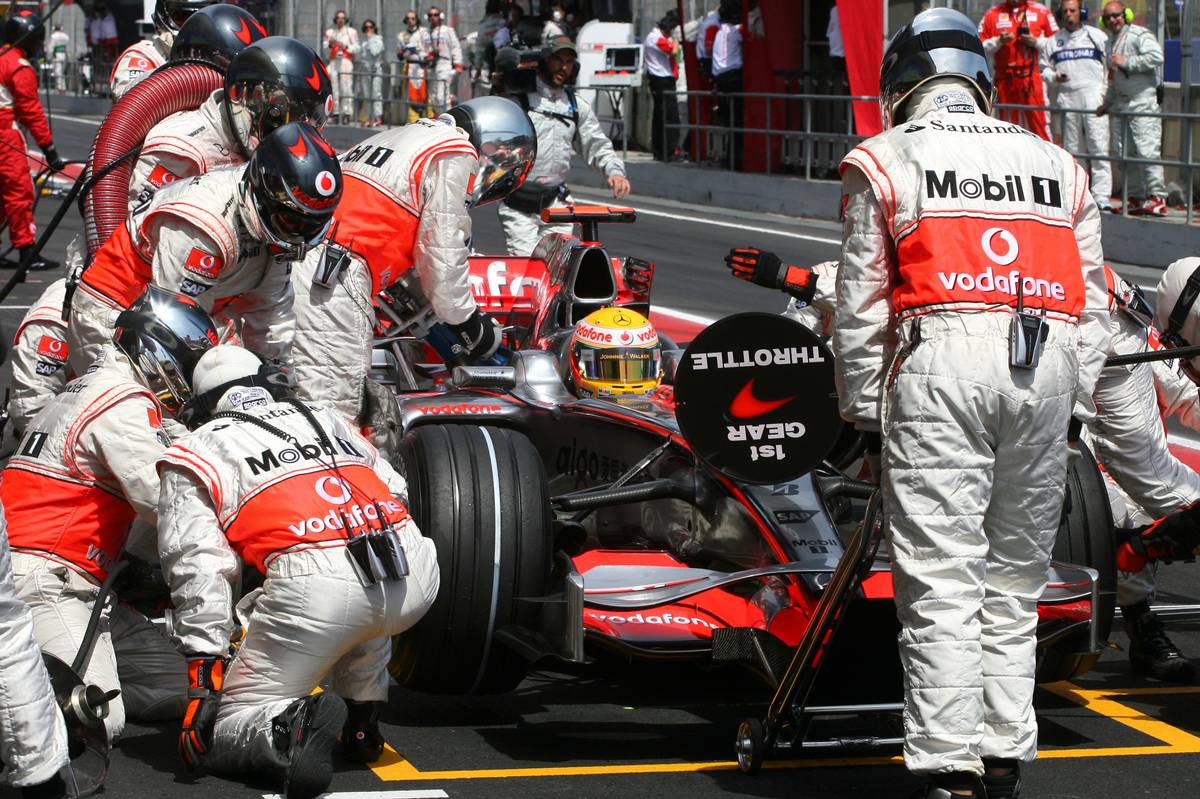
His argument isn’t about nostalgia alone. Brown sees refuelling as a way to deepen the tactical complexity of races that can sometimes feel overly pre-determined once strategies are locked in.
“That would make pit stops, add another dimension to it, but also add a big strategic dimension,” Brown explained.
Fuel strategy would become as critical as tyre choice – and potentially far more volatile.
Weight, Risk and the Fine Margins of F1
Brown’s comments arrive in the context of growing scrutiny over car weight and post-race compliance.
In 2025 alone, four drivers were disqualified for excessive plank wear – including McLaren’s own Lando Norris and Oscar Piastri at the Las Vegas Grand Prix. A car set too low or too light can be devastatingly fast… until it isn’t legal.
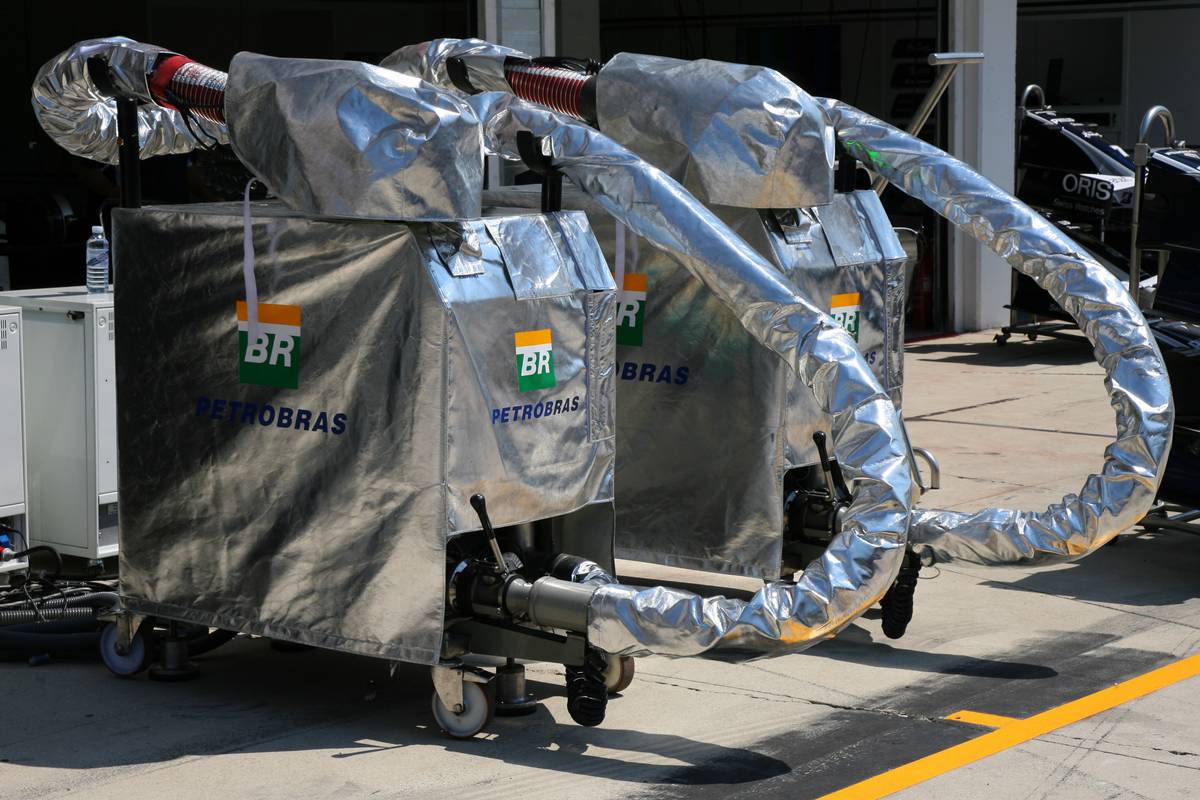
Brown believes refuelling could help regulate that razor’s edge.
“If you got into refuelling, weight makes such a difference,” he argued. “Do you run heavy at the start and go long? Do you run light to get a better start?
“So it would add a lot of dimensions to the strategy that I think would be fascinating.”
In theory, teams would have more flexibility to manage weight over a race distance, rather than gambling everything on a single fuel load before lights out.
The Cost-Cap Contradiction
Yet for all its appeal, according to Brown, refuelling runs headfirst into one of modern F1’s core principles: cost control.
The sport has spent years tightening regulations to curb spending through its cost-cap framework, reducing excess personnel, limiting equipment and standardising processes.
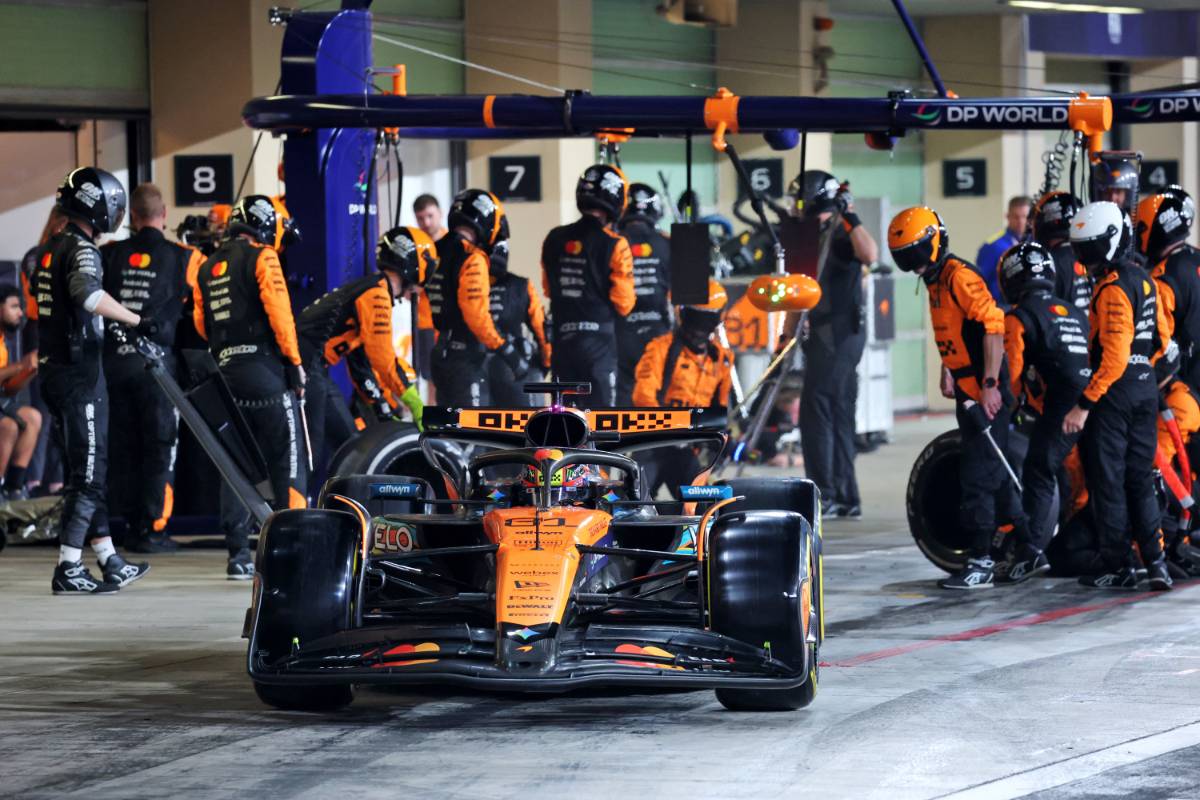
Reintroducing refuelling would likely do the opposite. It would demand new infrastructure, specialised rigs, additional safety systems, extra training and expanded pit crews – all of which add expense and complexity.
In a championship actively trying to narrow the gap between teams, reviving one of the most resource-intensive aspects of past F1 risks reopening financial disparities the cost cap was designed to close.
Another Dimension – Or a Step Back?
Zak Brown’s idea is undeniably seductive. Refuelling promises unpredictability, daring strategy calls and races that could swing dramatically in the final stint.
It would reward bold thinking and punish hesitation – hallmarks of classic Formula 1 drama.
But whether the sport can reconcile that excitement with its modern priorities of safety, sustainability and cost control remains the central question.
For now, Brown has succeeded in doing what he often does best: igniting a debate that forces Formula 1 to examine what kind of spectacle it wants to be.
Read also: FIA tweaks F1 qualifying format to accommodate 22-car field
Keep up to date with all the F1 news via X and Facebook