

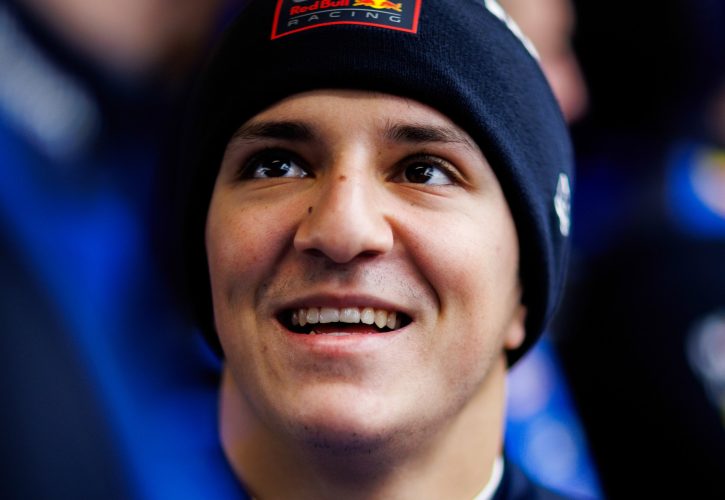


While the rain in Barcelona has forced a tactical pause for some, the buzz from Monday’s dry running continued to echo through the paddock – centered largely on the man who finished the day atop the unofficial timing sheets: Isack Hadjar.
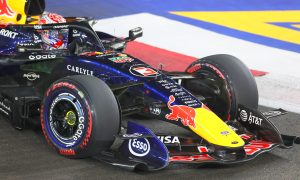
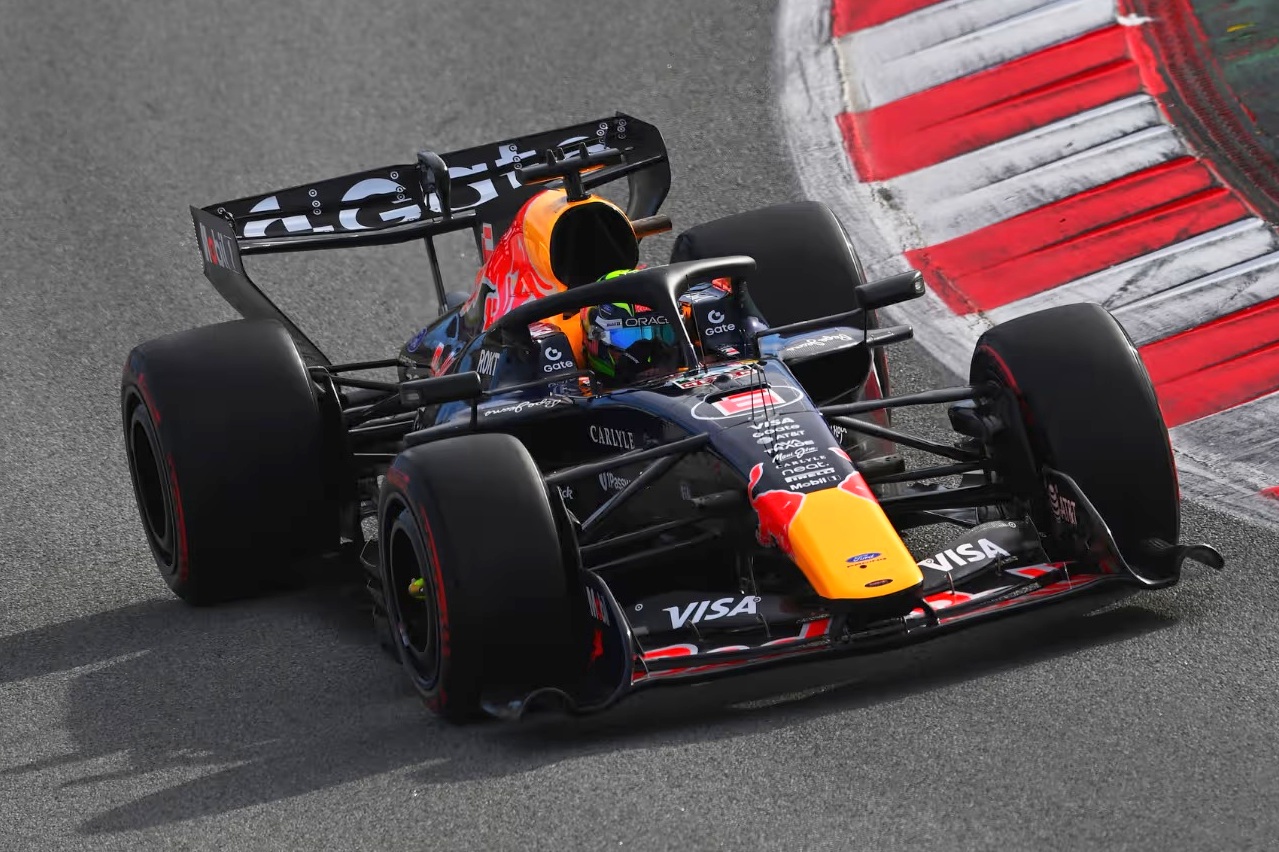
Stepping into the high-pressure Red Bull seat vacated by Yuki Tsunoda to partner Max Verstappen, the former Racing Bulls rookie looked instantly at home in the RB22. Beyond just the pace, the day marked a historic milestone for the Milton Keynes squad: the first official track miles for Red Bull Ford Powertrains.
Hadjar’s 107-lap marathon was more than just a shakedown; it was a stress test for Red Bull’s first-ever in-house engine. Emerging from the garage, Hadjar appeared visibly buoyed by the car's initial behavior.
“It was pretty productive,” commented the Frenchman. “Surprisingly, we managed to do a lot more laps than we expected. Everything went pretty smooth.
“We had like only minor issues, so it’s quite impressive considering it’s our first day with our own engine. It was definitely smooth.”
In a paddock where early running is often dominated by troubleshooting and caution, Red Bull’s calm progress marked a quietly confident start to the week.
Early Confidence in Red Bull’s Power Unit
Much of the curiosity surrounding Red Bull’s Barcelona programme centred on its new power unit, and Hadjar offered a reassuring early verdict on its driveability.
©Formula1
“Honestly, it’s pretty decent for our first day,” he said.
“It doesn’t feel too far off what I’m used to, at least in my first season, on all of the upshifts, downshifts. There’s still a few things to tweak around, of course, but it’s solid.”
Those comments hinted at a familiar feel despite the sweeping regulation changes for 2026, which place a far greater emphasis on electrical deployment and energy management.
For a driver still building experience at the top level, that sense of continuity was clearly welcome.
Less Load, More Tools for the Driver
Beyond reliability, Hadjar also began exploring how different F1’s new cars feel compared to the outgoing generation.
Reduced downforce, revised aerodynamics and a suite of new driver-controlled modes fundamentally change the way the car behaves – and the way it is driven.
“It’s definitely a lot less load in general,” Hadjar explained. “It’s a bit more predictable compared to the previous generation of cars – they are more simple, it’s easier to play around with them.”
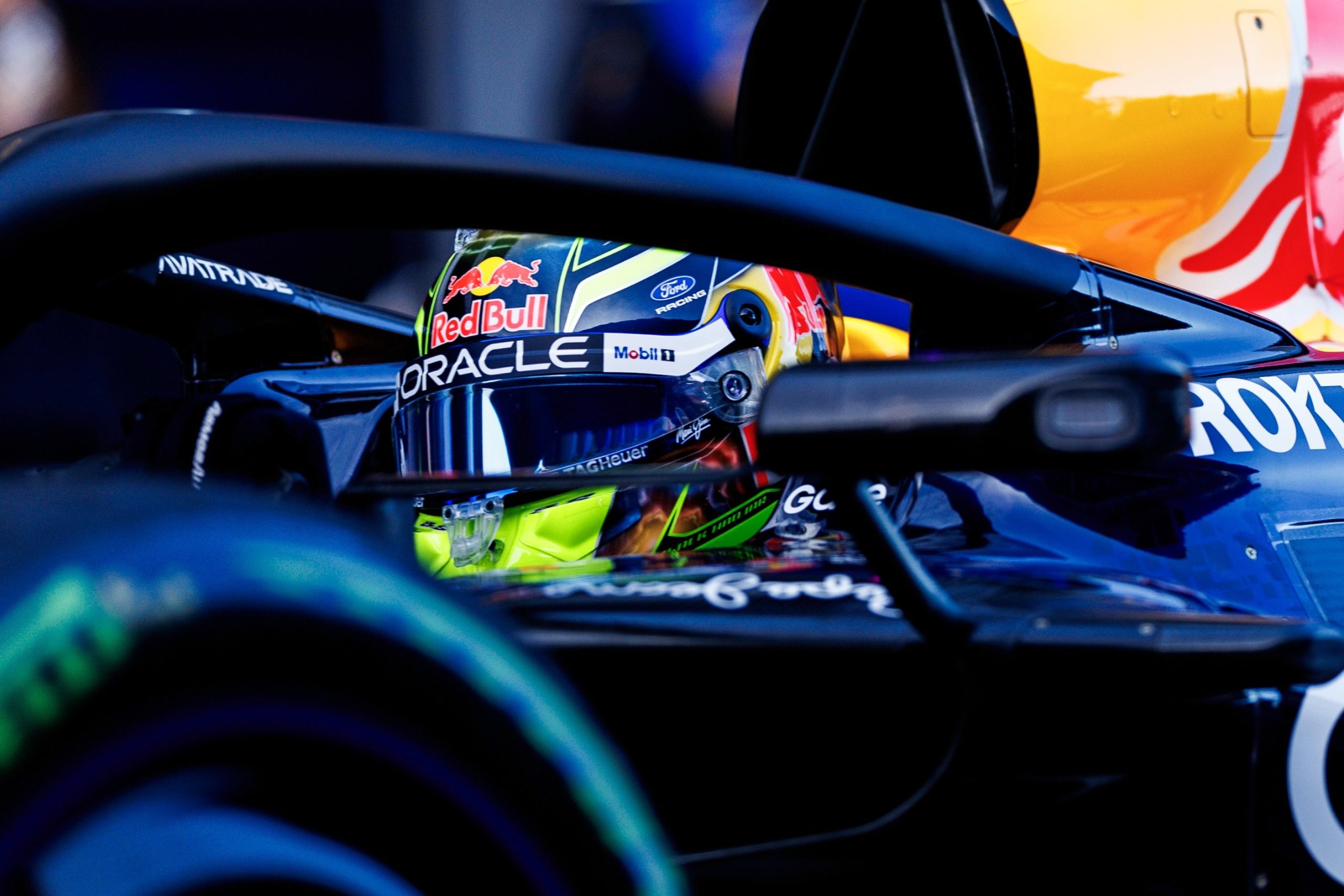
That simplicity, however, is balanced by an explosion of choice from the cockpit. Drivers will have access to systems such as Active Aero, Overtake Mode, a maximum power Boost button and Recharge settings — all of which require learning and experimentation.
“Also, on the PU side, there’s a lot more options for the driver to play with; I already started to work on it today, so that was very interesting.”
Hadjar’s enthusiasm suggested that, rather than being overwhelmed, he is eager to lean into the new demands placed on drivers by the 2026 regulations.
Keep up to date with all the F1 news via X and Facebook