

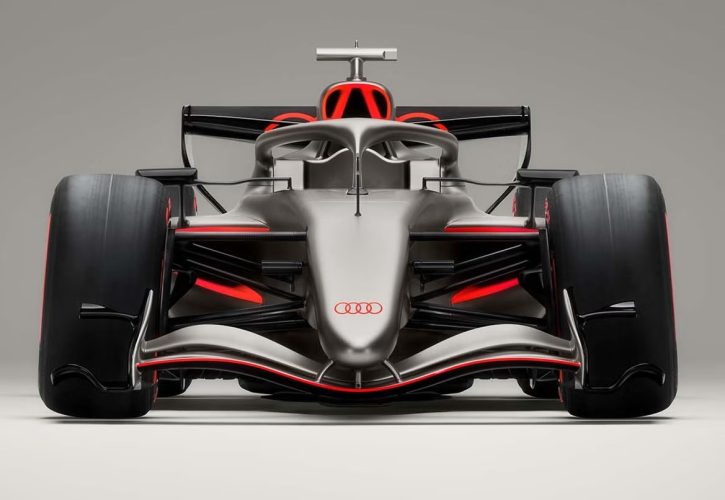


Audi F1 chief Mattia Binotto says Formula 1’s drivers are beginning to embrace the sport’s radical new era, revealing that early simulator sessions with the 2026-spec cars are finally putting smiles on their faces.
With the sport gearing up for one of the biggest technical revolutions in its history, Binotto insists that what started with skepticism is now turning into genuine excitement – a shift that bodes well for both the sport and the fans.
Formula 1’s next-generation cars will feature sweeping changes to both chassis and power unit regulations – marking a historic leap toward sustainability and innovation. The new power units will rely on an almost 50-50 balance between electric energy and internal combustion power, fundamentally changing how teams approach car design and performance.
Drivers Warming to the Future
Initial driver feedback across the paddock had been lukewarm, with Ferrari’s Charles Leclerc among those describing the early virtual models as “less enjoyable” to drive. But according to Binotto, that narrative is shifting fast.
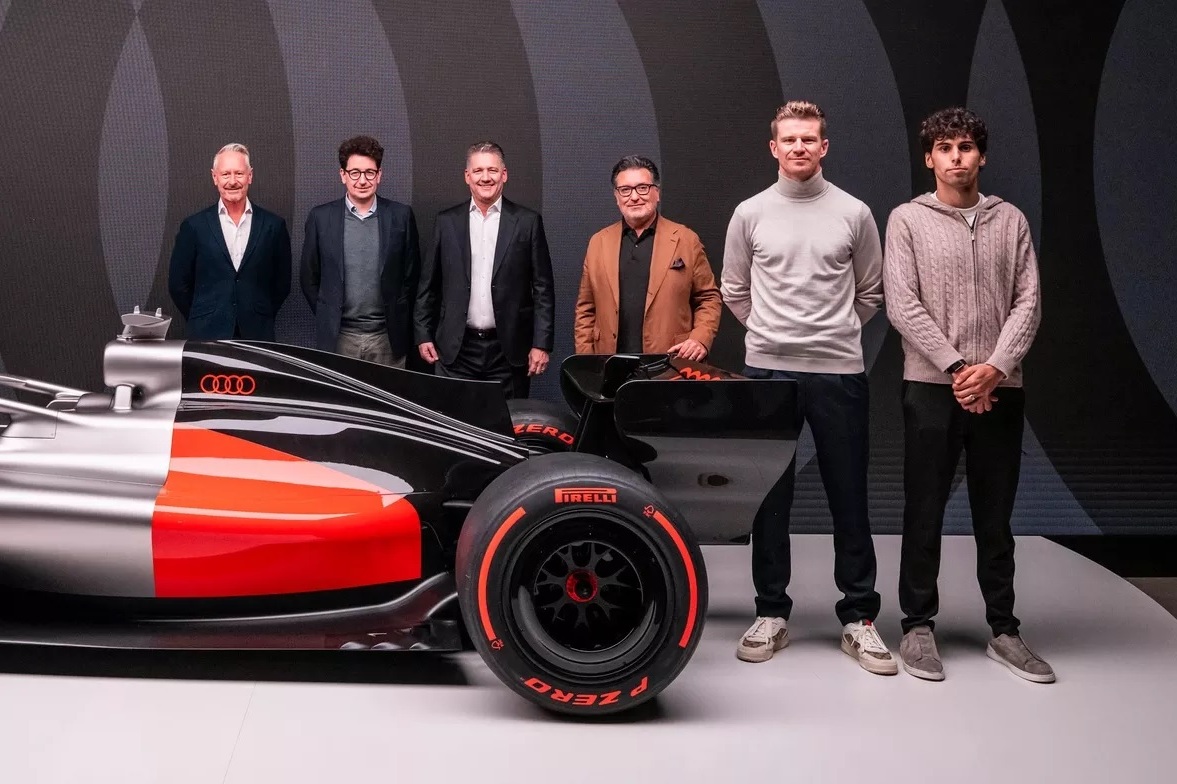
“It’s the biggest change in 30 years at least,” Binotto said as Audi unveiled its 2026 concept livery and visual identity at its Munich headquarters on Wednesday evening.
“It’s a big change. Honestly, I believe it’s a great challenge. I think all technicians at the moment are enjoying a change of regulations.”

He added that even the drivers – initially cautious about the new feel and driving style – are starting to come around.
“I think even drivers, initially, we may have heard some criticism. But overall, what I can see from drivers’ comments, they are starting to enjoy, they are enjoying [the new cars].”
Audi’s own driver lineup, featuring the experienced Nico Hülkenberg and promising rookie Gabriel Bortoleto, has been putting the team’s early 2026 concepts through virtual paces — and, according to Binotto, the feedback is increasingly positive.
A Big Leap, But a Bright One
Beyond the garage doors, the 2026 regulations are being hailed as the boldest reset in modern F1 history. With the introduction of fully sustainable fuels and more advanced hybrid systems, the new era promises to align closer than ever with road car technology while keeping the racing spectacle alive.
“I’m sure it will be, at the end, a good show,” Binotto said confidently. “The changes have been done so that first, we are relevant from the road car [side] with fully sustainable fuels. A challenge as well for fuel suppliers.”
©Audi
But while the engineering complexity is huge, the Italian believes the on-track product will benefit in the long run.
“Overall, the show will improve because we believe that the racing will be improved through the new regulations,” added the former Ferrari F1 boss.
“So, we may need some patience at the start because big changes may bring discontinuity, may bring gaps between teams. But certainly, there will be a very quick catch-up from all the teams.”
And if the transition proves tricky, Binotto says the FIA won’t hesitate to fine-tune the rules to keep the competition tight.
“I’m expecting some rules may be adapted if required,” he said. “That’s part of the normal process. In every year, in every season, FIA has always adapted to needs. That may happen again. But overall, it will be a great regulation [set].”
With the sport’s bold vision and drivers warming up its next-generation cars, Formula 1’s 2026 season is shaping up to be a wild ride.
For now, the new machines exist only in the digital realm – but if early impressions are anything to go by, the future is starting to feel fast, fresh, and fun again.
Keep up to date with all the F1 news via X and Facebook