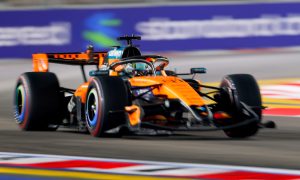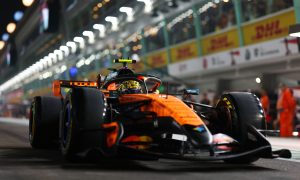


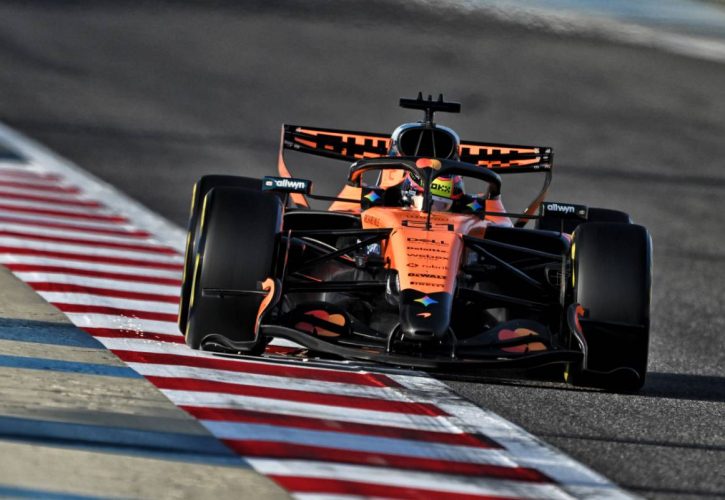


Establishing a pecking order based on three days of testing is often a futile exercise, but McLaren team boss Andrea Stella has nevertheless offered an educated guess on who is currently leading the charge.
Following a flurry of race simulations on Thursday and Friday in Bahrain, the data has begun to whisper a story of a clear "Big Four" break-away.
However, within that elite group of Mercedes, Ferrari, Red Bull, and McLaren, the initial numbers suggest Stella’s team might be chasing the coattails of their old rivals – at least when fuel loads are high and tyre wear becomes the real judge.
The Race Sim Reality Check
While Mercedes grabbed early headlines for reliability and Red Bull turned heads with their maiden power unit's energy deployment, it was the long-run pace of the Brackley squad and Ferrari that truly caught Stella’s eye.
During a synchronized simulation window, the gap became difficult to ignore.
"In terms of race pace, I can confirm that the race pace of Ferrari looks pretty competitive," Stella noted, breaking down the Friday afternoon data.
"In the simulation that Hamilton did, and then there was at the same time one from Antonelli and one from Oscar [Piastri]. I think Antonelli and Hamilton were quicker than us in the race simulation.
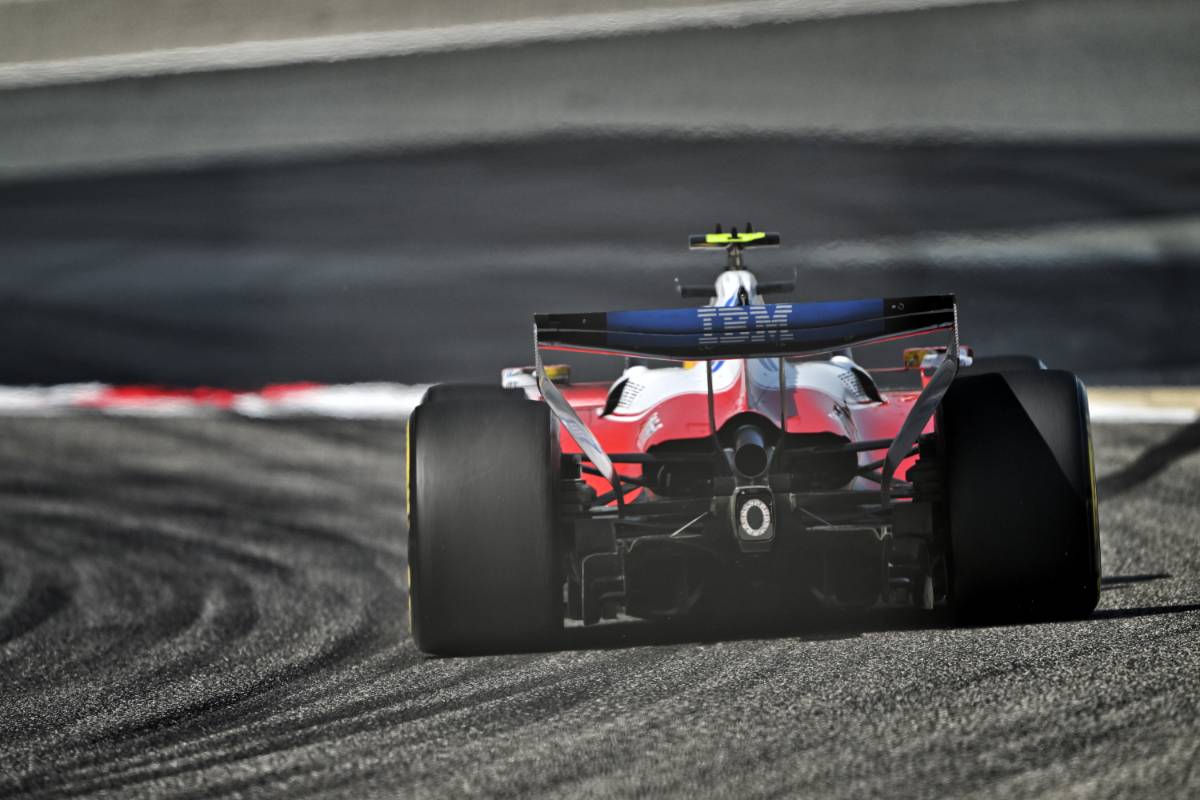
“I would say that the one from Charles [on Thursday's] was quite competitive and at the same level as today's simulations."
Despite the disparity, Stella remains the ever-cautious analyst, adding a caveat for those already placing bets on the Melbourne opener.
"I just invite everyone to just be careful looking too much into what we see in testing,” the McLaren chief said.
“However, in terms of early indications from a competitiveness point of view, I think definitely [you can] put Ferrari and Mercedes at the top of the list."
The Core of the 2026 Challenge
With Red Bull also looking "very well equipped," the battle for supremacy in Melbourne is shaping up to be a multifaceted war.
While much has been made of the "counterintuitive" driving styles required by the new 50-50 power split – where drivers lift and coast just to harvest energy – Stella insists that the fundamentals of racing haven't been rewritten.
"At times you have to do some counterintuitive things from a driving point of view to maximise the exploitation of the power unit and therefore achieve the fastest lap time," he explained.
"Sometimes drivers will have to lift and coast in qualifying before braking, which is not necessarily how they've been driving so far in their motorsport career. Or in some high-speed corners you may want to harvest a bit rather than trying to do the corner flat out."
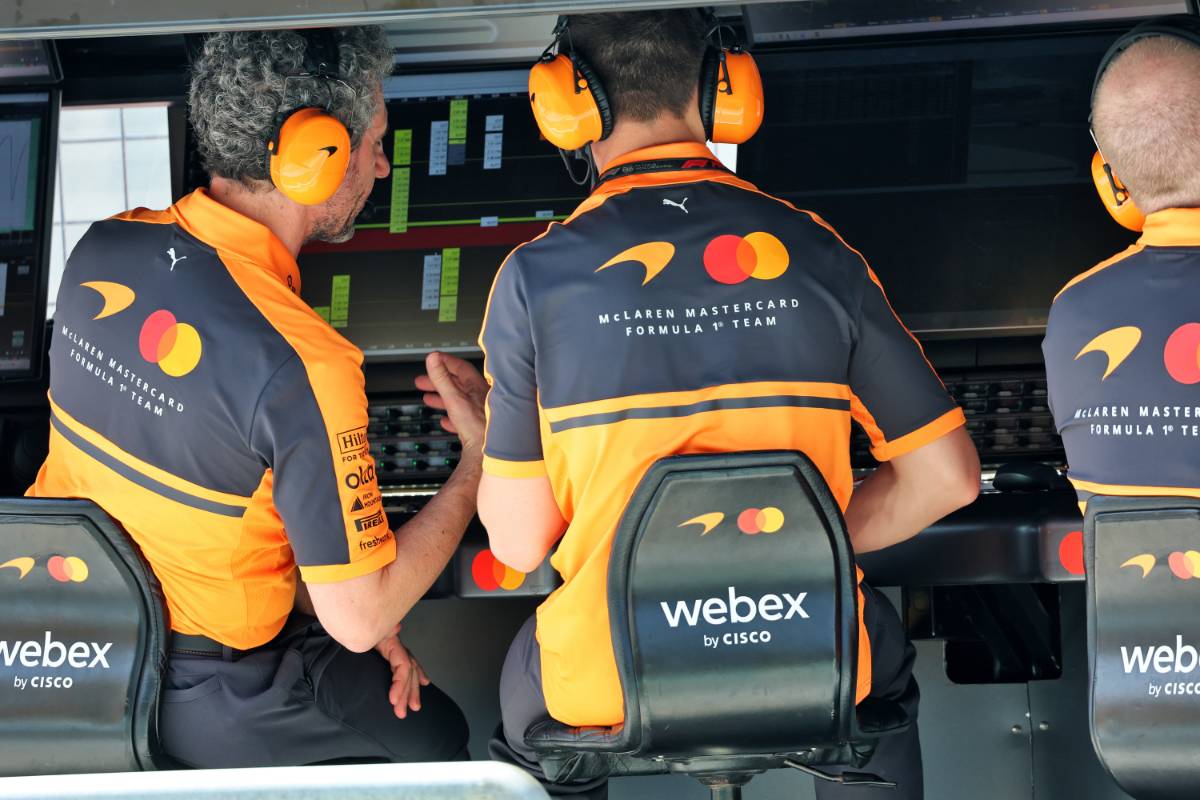
For what it’s worth, Stella believes that while the power units are a massive variable, the "best car" will still be the one with the best bones.
"However, this doesn't change much in terms of chassis requirements,” he explained.
“You still want to have a chassis that delivers as much downforce as possible because you still want to go as fast as possible in the corners.
“This doesn't change the fact that the fastest car in Melbourne will be the car that will have the best aerodynamic efficiency."
As McLaren heads back to the drawing board for the final test, the mission is clear.
"The fastest car in Melbourne will be the one that has the best downforce... and has a power unit that is obviously competitive," Stella concluded.
“So it goes back to the fact that this is a complex Formula 1, but I think we will get used to it."
This week, Formula 1 teams will undergo another three-day stint in Bahrain, beginning on Wednesday.
The papaya camp may be glancing at Ferrari red and Mercedes silver for now – yet the season’s true pecking order remains, tantalisingly, unwritten.
Keep up to date with all the F1 news via X and Facebook