

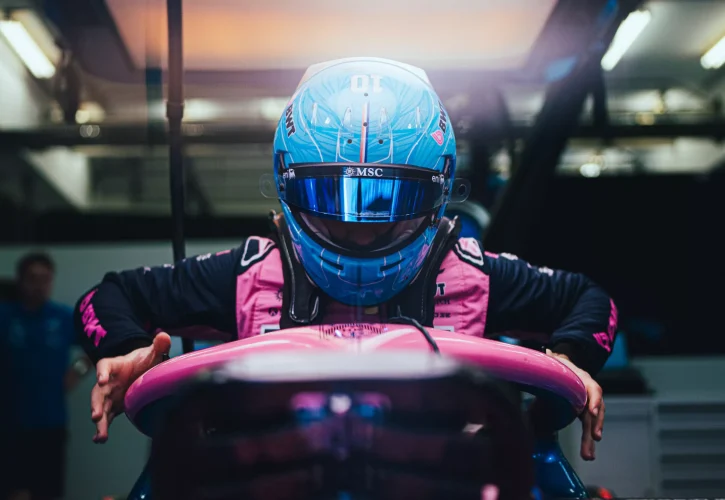


Alpine’s Pierre Gasly is already bracing for a future where F1 drivers may sit behind the wheel – yet, at times, feel like mere passengers.
As this year’s regulation overhaul ushers in deeper layers of automation and energy management complexity, the Frenchman is questioning just how much real control competitors will truly retain when software begins to call the shots.
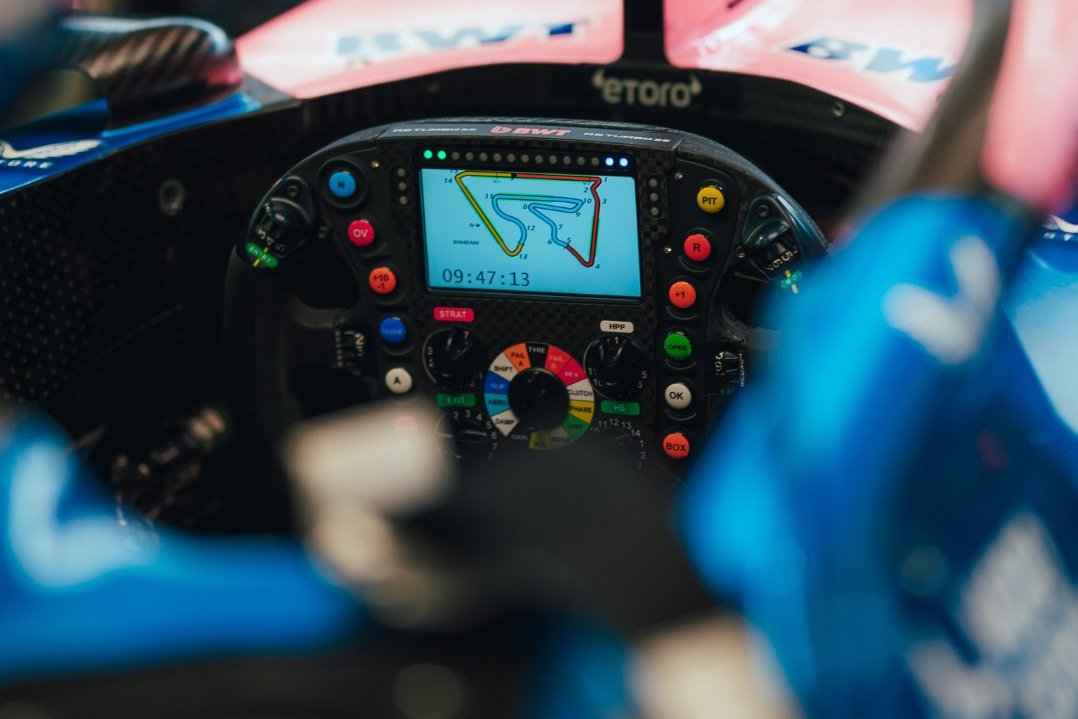
The sport’s 2026 power units are a different beast, demanding a delicate 50-50 split between internal combustion and electrical muscle. But while the drivers pick the settings, the actual "harvesting" is handled by the car’s brain.
Combined with active aerodynamics that can snap shut automatically to prevent a driver from overreaching in a corner, the question looms: who is really doing the driving?
The Loss of Tactical Intuition
Gasly is candid about the mental fog created by these complex systems. In the previous era, a driver could "read" an opponent's engine deployment like a book. Now, that book is written in a code that is nearly impossible to crack on the fly.
"There is so much to take into consideration at the moment that it is difficult to get my head around it," Gasly told reporters last week in Bahrain.
"With the ICE engine, you pretty much know the deployment of the other guys, so I know what the Mercedes engine is going to be like, so I can go racing knowing that when someone decides to commit to a bit more on a straight, he will suffer on another straight."
©Alpine
But Gasly fears this predictability is gone.
"What is harder to figure out is what the other engine manufacturers are doing; they might deploy more in one straight, or less in another, and this will create bigger differences in racing situations where you have both cars at full power with straight line mode on,” he explained.
“There won't be much slipstream or speed difference."
The Passenger Seat Dilemma
Can a "smarter" driver still find an edge, or is the software simply too restrictive? Gasly isn't convinced that "extra mental capacity" will be the silver bullet it once was.
"For the same engine, someone who has more capacity to figure it all out and how to get on top of the energy management [will benefit], but at the same time, there's quite a lot of stuff we don't have control over," he admitted.
"So it feels like we are more on the passenger side with what we can do inside the car, but I think it is going to evolve, but it is not like a case of: 'Oh, I am going to recharge my battery now and deploy it here because I decide to do this and that.'"
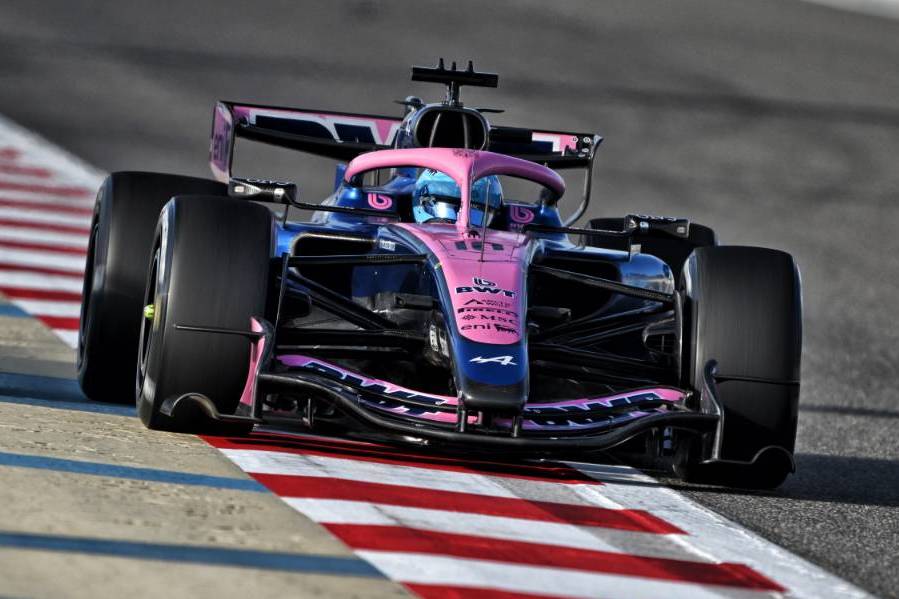
Gasly suspects the tools simply won't be there to allow for that kind of creative improvisation.
"There might be some engines which allow that, and others which don't,” he argued.
“But I still don't think it is going to be as straightforward as the guys with more capacity will be able to do better, as I'm not sure he'll have the tools to actually do the stuff he wants."
With so much uncertainty, Gasly has one simple – if cheeky – solution for the 2026 season.
"There is so much we want to answer, but we need to discover proper racing scenarios, and what I suggest is qualifying on pole, and life will be a lot easier starting from there,” he concluded.
Read also: Stella calls for three urgent F1 rule tweaks ahead of Melbourne
Keep up to date with all the F1 news via X and Facebook