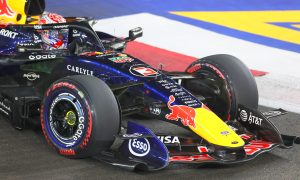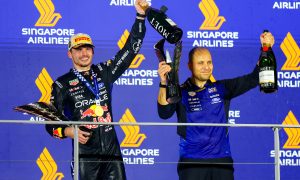


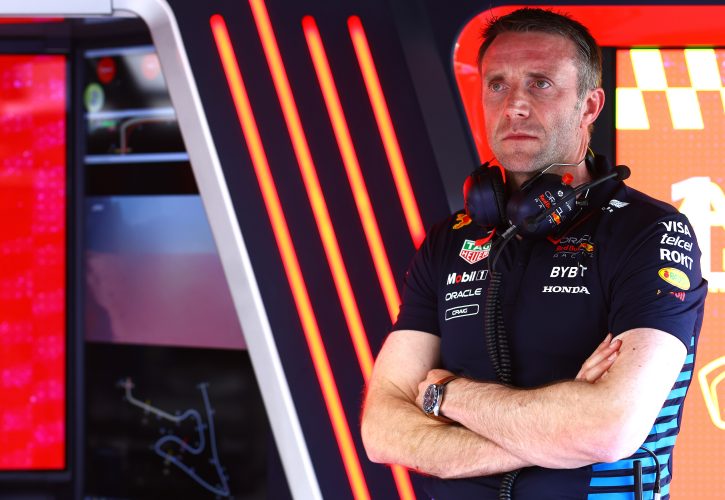


Craig Skinner, Red Bull’s long-serving chief designer and one of the key engineers behind the team’s recent Formula 1 dominance, has left the Milton Keynes-based outfit, according to multiple reports.
To the casual F1 fan, Skinner’s name rarely appeared alongside the drivers and team principals who command the spotlight. But inside Red Bull’s engineering corridors, his influence was unmistakable.
An engineering graduate from the University of Glasgow, he joined the team at the beginning of the 2006 season as a computational fluid dynamics specialist – a role rooted deep in the digital wind tunnels that have shaped modern Formula 1 performance.
From there, his ascent was deliberate and earned. Skinner progressed through the aerodynamics department, eventually becoming its chief and later stepping into the position of chief designer in 2022, working alongside Adrian Newey and technical director Pierre Wache.
In that capacity, he worked at the epicenter of the car’s conception, translating aerodynamic theories and structural concepts into the physical machines that powered Red Bull through a second era of supremacy on the track.
His work formed part of the technical backbone during a period when the team amassed titles and rewrote performance benchmarks.
A Team Evolving, Not Unraveling
Skinner’s departure arrives amid an ongoing reshuffle of senior personnel at Red Bull, yet sources close to the situation suggest his exit is not directly tied to earlier high-profile changes, such as the departures last season of chief strategist Will Courtenay for McLaren or Jonathan Wheatley for Audi.
Still, the timing underscores a broader transition within the organization – a gradual redrawing of the technical and managerial landscape that once appeared immovable.
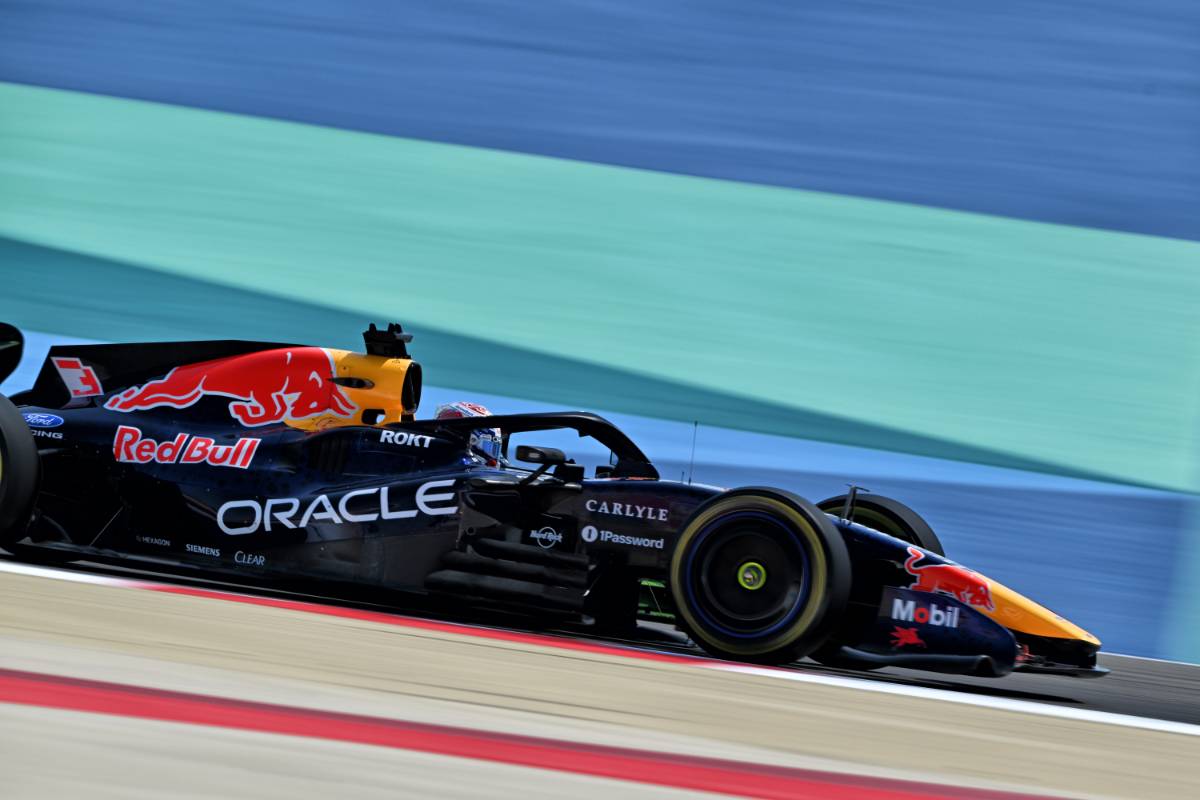
Despite these shifts, the team’s competitive outlook has shown renewed strength. Under team principal Laurent Mekies, Red Bull found late-season momentum in 2025 and entered the 2026 pre-season with cautious optimism.
Central to that confidence is the RB22, the first car powered by the squad’s own in-house engine project developed in collaboration with Ford. Early impressions have highlighted its efficient electric energy deployment, an unexpected technical highlight that has drawn approving nods from rivals.
Read also:
In this context, Skinner’s exit feels less like a fracture and more like a changing of guard. The methodologies, design philosophies, and engineering discipline he helped cultivate remain embedded in the team’s DNA.
Formula 1 rarely slows enough to dwell on individual departures, but within Red Bull’s technical offices, his absence will likely be felt in the quieter spaces – the design reviews he once led, the simulations he once scrutinized, and the legacy etched into the very contours of the cars he helped bring to life.
So far, there has been no indication of where Skinner might be heading next.
Keep up to date with all the F1 news via X and Facebook